Lee Yong-dae Net Worth 2026 - South Korea's Doubles Maestro Turns Court Glory Into Lasting Wealth
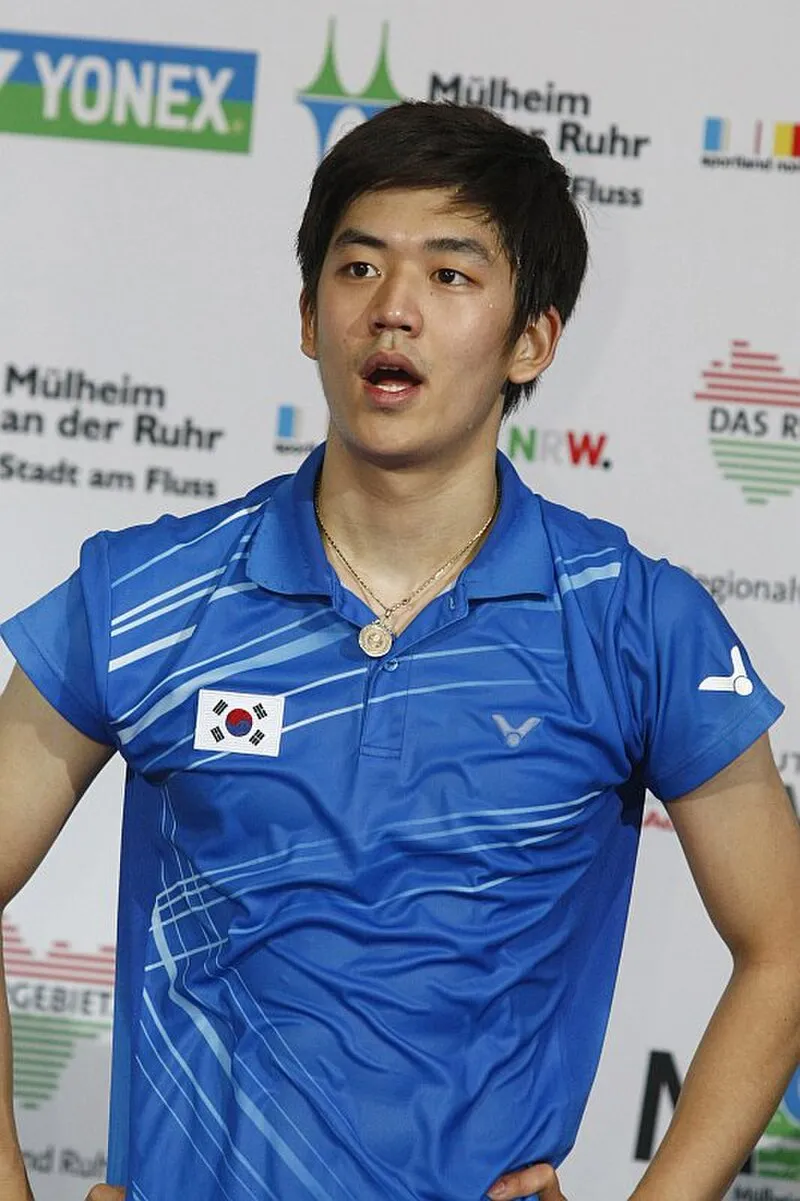
Photo of Lee Yong-dae, via Wikimedia Commons
Lee Yong-dae Net Worth 2026 - South Korea's Doubles Maestro Turns Court Glory Into Lasting Wealth
Few athletes in the history of racket sports have captured the imagination quite like Lee Yong-dae. The South Korean doubles specialist burst onto the international scene as a teenager and spent the better part of a decade redefining what excellence looks like in men's doubles and mixed doubles badminton. In 2026, long after his competitive days have concluded, Lee's financial standing continues to reflect the magnitude of what he built on the court — and the smart decisions he made away from it.
 Photo: Lee Yong-dae, via wimg.mk.co.kr
Estimates place Lee Yong-dae's current net worth at approximately $8 million to $10 million USD, a figure that accounts for career prize money, lucrative domestic league contracts, blue-chip endorsement relationships, broadcast income, and emerging coaching revenue streams.
From Teenage Sensation to Olympic Champion
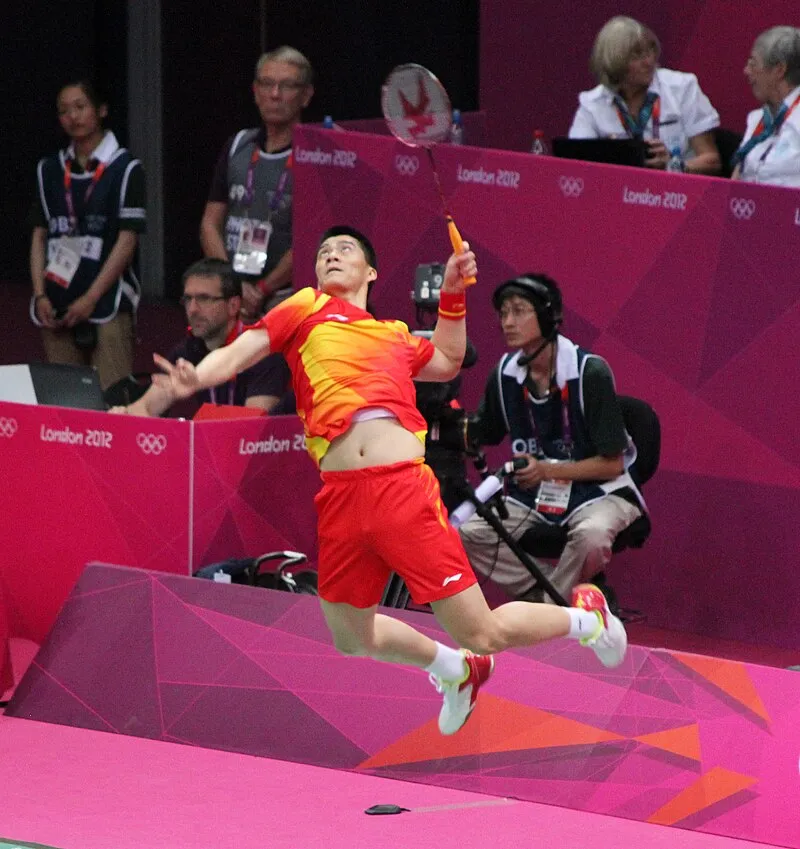
Born in 1988 in Gwangju, South Korea, Lee Yong-dae showed extraordinary aptitude for badminton from an early age. By the time he reached the 2008 Beijing Olympics at just 19 years old, he had already developed a reputation as one of the most naturally gifted doubles players the sport had ever produced. His partnership with Lee Hyung-taik delivered a gold medal in mixed doubles at Beijing, cementing his status as a national icon almost overnight.
 Photo: 2008 Beijing Olympics, via thumbs.dreamstime.com
He followed that triumph with a bronze medal in men's doubles at the 2012 London Olympics, further demonstrating his versatility and longevity at the highest level. Between Olympic cycles, Lee collected World Championship medals and dominated the BWF Super Series circuit, accumulating prize earnings that placed him among the sport's top earners for nearly a decade.
While badminton's global prize pool has historically lagged behind tennis or golf by American standards, Lee competed during a period when the BWF was steadily increasing tournament purses. Across his career, conservative estimates suggest he collected upward of $1.5 million in tournament prize money, a figure that excludes the substantial bonuses distributed by the Korean Badminton Association for major championship performances.
Korean Domestic League: A Significant Income Engine
One financial dimension that often escapes attention in Western sports coverage is the importance of South Korea's corporate-sponsored domestic badminton leagues. Major conglomerates — including Samsung, Kepco, and Korea Telecom — field professional badminton teams that compete in structured league formats, and they pay their players accordingly.
At the peak of his career, Lee Yong-dae commanded contracts with Samsung Electro-Mechanics, one of the premier corporate teams in Korean badminton. Annual salaries in this environment for elite players routinely exceed $300,000 to $500,000 USD, and star players of Lee's caliber negotiated well above standard rates. Over the span of his domestic career, these league contracts likely contributed $3 million or more to his overall earnings.
Endorsements: Yonex, Samsung, and National Brand Partnerships
Lee Yong-dae's marketability extended well beyond the badminton court. As a dual Olympic medalist and consistent World Championship contender, he attracted endorsement interest from both sports-specific and consumer brands.
His relationship with Yonex, the Japanese equipment manufacturer that dominates badminton globally, was among the most visible. Equipment and apparel contracts with Yonex for elite-tier players typically range from $100,000 to $400,000 annually, and Lee's profile justified premium positioning within that range.
Samsung, already invested in his career through team sponsorship, extended its relationship with Lee into broader consumer marketing. His face appeared in campaigns targeting South Korean sports fans, and these deals added meaningfully to his annual income during his peak competitive years between 2008 and 2016.
Additional partnerships with domestic Korean brands — spanning sportswear, health supplements, and telecommunications — rounded out an endorsement portfolio estimated to have generated $2 million to $3 million across his active career.
Retirement and the Transition to Broadcasting
Lee Yong-dae officially retired from competitive badminton in 2018, though he had scaled back his international schedule in the years prior. The transition from athlete to public figure was relatively seamless for someone of his celebrity status in South Korea.
He moved into broadcast commentary and analysis, appearing on Korean sports television networks during major badminton events, including the Thomas Cup, Uber Cup, and BWF World Championships. In South Korea, where badminton enjoys mainstream sports coverage comparable to baseball or soccer in the United States, prominent analysts command respectable fees. Estimates suggest Lee earns between $80,000 and $150,000 annually from media appearances and commentary contracts.
His presence on social media platforms — particularly Instagram and YouTube, where South Korean sports celebrities maintain substantial followings — generates supplementary income through sponsored content and platform monetization. Industry observers estimate this contributes an additional $30,000 to $60,000 per year.
Coaching, Academies, and Sports Infrastructure
Perhaps the most forward-looking component of Lee Yong-dae's post-retirement financial strategy involves his engagement with badminton development infrastructure. South Korea has invested heavily in youth sports academies and elite training centers, and decorated former champions are frequently recruited as advisors, honorary directors, or active coaches.
Lee has been involved in youth clinics, mentorship programs affiliated with the Korean Badminton Association, and private academy initiatives. While the specific financial terms of these arrangements are not publicly disclosed, comparable roles in Korean sports carry annual compensation packages ranging from $100,000 to $250,000, depending on scope and institutional affiliation.
Real Estate and Personal Investments
Like many South Korean athletes who earn significantly during their prime years, Lee Yong-dae is believed to have invested in residential and commercial real estate in the greater Seoul metropolitan area, where property values have appreciated substantially over the past decade. While specific holdings have not been publicly confirmed, financial analysts tracking Korean sports figures suggest that real estate likely represents a meaningful portion of his overall asset base.
Net Worth Summary
Aggregating the major income streams across his career and post-retirement activities, Lee Yong-dae's estimated net worth in 2026 stands at approximately $8 million to $10 million USD. That figure reflects not only the financial rewards of elite athletic achievement but also the disciplined approach of someone who understood that a career in badminton, however brilliant, has a finite horizon — and planned accordingly.
For American sports fans unfamiliar with badminton's financial landscape, Lee's story offers a useful lens: imagine a player who won multiple Olympic medals in doubles tennis, dominated the domestic circuit for a decade, and then pivoted into broadcasting and coaching. The scale is different, but the arc is recognizable — and the wealth it generates is very real.