Loh Kean Yew Net Worth 2026 - Singapore's World Champion Rewrites the Financial Playbook
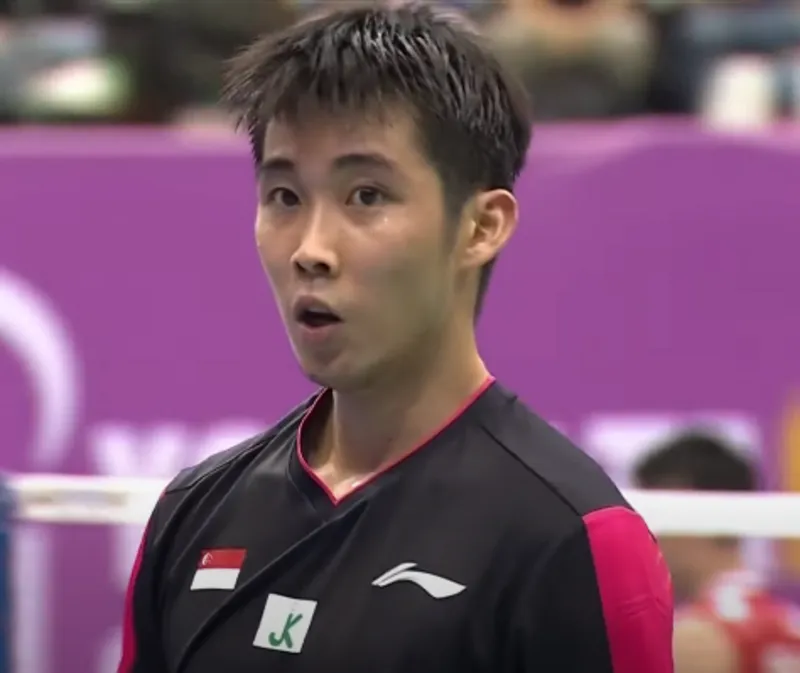
Photo of Loh Kean Yew, via Wikimedia Commons
Loh Kean Yew Net Worth 2026 - Singapore's World Champion Rewrites the Financial Playbook
When Loh Kean Yew defeated Viktor Axelsen in the final of the 2021 BWF World Championships in Huelva, Spain, he did not merely capture a title — he redefined what was financially possible for a Singaporean athlete. In a country better known for finance and technology than for elite racket sports, Loh's triumph created a commercial opening that few players from smaller badminton nations ever get to exploit. As of 2026, his estimated net worth stands at approximately $2.5 million to $3 million USD, a figure that reflects a uniquely engineered blend of international prize earnings, government-backed sports funding, and a carefully cultivated brand identity.
 Photo: Loh Kean Yew, via static.mothership.sg
 Photo: Viktor Axelsen, via r.testifier.nl
From Kuala Lumpur to the Lion City: A Career Built on Sacrifice
Born in Malaysia and raised in a family with deep badminton roots — his brothers Loh Kean Hean and Loh Kean Sean are also professional players — Loh Kean Yew relocated to Singapore as a teenager to pursue elite training opportunities. That decision, unconventional at the time, proved to be the foundational financial move of his career. Singapore's Sports School and the Singapore Sports Institute (SSI) provided structured athlete development funding that few Southeast Asian nations outside of powerhouses like Indonesia or Malaysia could match at the individual level.
The SSI's spexScholarship program, which supports athletes deemed capable of achieving podium finishes at major international competitions, became a critical income stabilizer during Loh's formative years on the BWF circuit. While exact scholarship figures are not publicly disclosed, analysts familiar with Singapore's sports funding model estimate that elite-tier spexScholars receive annual support packages — covering training, travel, coaching, and living stipends — valued between $50,000 and $100,000 SGD per year. For a young player grinding through the early rounds of Superseries and World Tour events, that backing represented a financial safety net unavailable to most of his peers.
The 2021 World Championship: A Windfall That Changed Everything
The Huelva triumph was not just a sporting milestone; it was a commercial detonator. The BWF World Championships carries a prize pool structured to reward champions handsomely, and Loh's first-place finish in the men's singles earned him a payout in the range of $100,000 USD. More significantly, the victory triggered a cascade of endorsement inquiries and national recognition bonuses that multiplied that figure several times over.
Singapore's government awarded Loh with a cash incentive under the Major Games Award Programme (MGAP). World Championship gold at a BWF-sanctioned event qualifies for substantial national awards, with estimates placing his government bonus in the range of $100,000 SGD or more. Combined with his direct prize earnings, the Huelva payday represented the single largest financial event of his career to that point.
Li-Ning and the Gear Endorsement Economy
Following his world title, Loh secured a prominent equipment and apparel deal with Li-Ning, the Chinese sportswear giant that has aggressively expanded its presence in Southeast Asian badminton markets. While the specific financial terms remain confidential, Li-Ning's endorsement contracts for top-10 ranked singles players are widely understood to range from $150,000 to $400,000 USD annually, depending on ranking, tournament performance, and marketing obligations.
For Loh, the Li-Ning partnership carries additional strategic weight. As one of the few world-ranked elite players from Singapore — a market that Li-Ning views as a gateway to broader Southeast Asian brand penetration — he commands a premium that a player of similar ranking from a more badminton-saturated country might not. That geographic scarcity translates directly into negotiating leverage.
Beyond Li-Ning, Loh has partnered with several Singaporean corporate sponsors, including financial services and telecommunications brands that prize his profile as a clean-cut, achievement-oriented national hero. These local deals, while individually smaller than his equipment contract, collectively add a meaningful layer to his annual income.
BWF World Tour Prize Money: The Cumulative Picture
Since breaking into the elite tier of the men's singles circuit, Loh has accumulated consistent prize earnings across Super 500, Super 750, and Super 1000 events. Deep runs at the All England, Indonesia Open, and Thomas Cup competitions have contributed to a career prize money total estimated at approximately $800,000 to $1.1 million USD through 2025. While prize money alone does not define a player's net worth — taxes, agent fees, and training costs must be deducted — the cumulative earnings reflect a player who has sustained himself at the highest level of the sport for several years.
National Ambassador Role and Social Media Income
Perhaps no aspect of Loh's financial profile is more distinctly Singaporean than his role as a national sporting ambassador. In a country that places enormous cultural weight on international achievement, Loh's world title made him a fixture in government campaigns, national day celebrations, and youth sports outreach initiatives. These ambassador engagements, while not always directly compensated at market rates, enhance the overall commercial value of his personal brand and frequently unlock speaking fees and appearance contracts.
On social media, Loh maintains a growing presence across Instagram and YouTube, where his content — ranging from training footage to lifestyle glimpses — draws an audience that skews young and regionally diverse. Estimates for social media income at his follower level and engagement rate suggest annual earnings in the range of $30,000 to $80,000 USD, a figure that is likely to grow as his platform matures.
Financial Outlook for 2026 and Beyond
Loh Kean Yew enters 2026 with a financial profile that is more diversified than most players of his age and tenure. The combination of SSI structural support, a flagship Li-Ning deal, national bonus programs, consistent tour earnings, and a growing media presence creates a resilient income architecture. Should he claim another major title or secure a strong Olympic finish, the commercial upside remains substantial.
For American sports fans accustomed to thinking of badminton as a backyard leisure activity, Loh's financial story offers a compelling corrective. The global professional circuit rewards excellence at a level that can generate genuine long-term wealth — and Singapore's unique model of state-supported elite development proves that even the smallest nations can produce, and handsomely compensate, world-class champions.