Misaki Matsutomo Net Worth 2026 - How Japan's Olympic Doubles Champion Converted Shuttlecock Glory Into Lasting Wealth
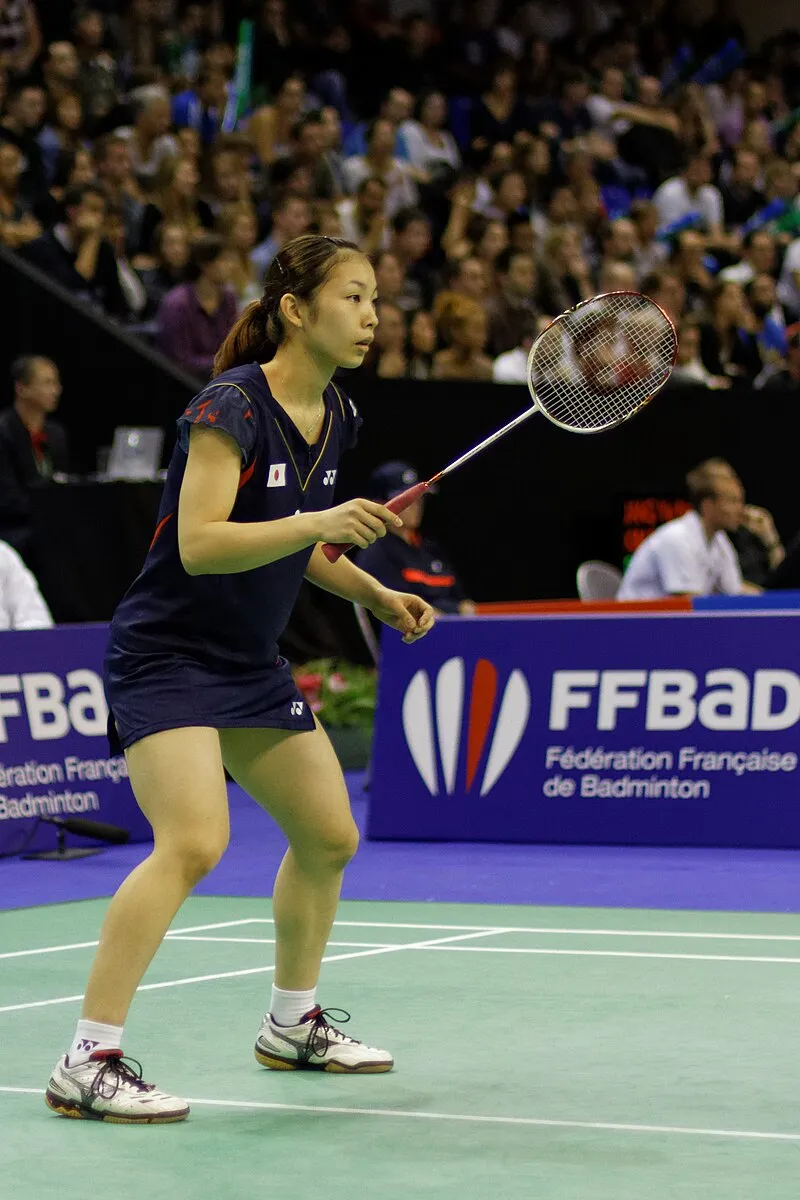
Photo of Misaki Matsutomo, via Wikimedia Commons
When Misaki Matsutomo and Ayaka Takahashi stepped onto the podium at the 2016 Rio Olympics to collect Japan's first-ever Olympic gold medal in women's doubles badminton, they did more than make history. They transformed themselves into national icons, unlocking a level of commercial and cultural capital that would sustain their financial profiles for years beyond their competitive peaks. For Matsutomo, that moment was the apex of an athletic career that had already been building extraordinary momentum — and it became the foundation upon which a genuinely impressive net worth has been constructed.
In 2026, Misaki Matsutomo's estimated net worth is placed at approximately $3 million to $4 million, making her one of the most financially successful women's doubles players in the history of Japanese badminton.
A Partnership That Defined a Generation
Matsutomo was born in 1992 in Aichi Prefecture and developed through Japan's rigorous national badminton pipeline before emerging as one half of what would become the country's most celebrated doubles pairing. Her partnership with Ayaka Takahashi — known throughout the badminton world simply as "TakaMatsu" — was defined by extraordinary defensive tenacity, impeccable court coverage, and a competitive intelligence that elevated them above physically more powerful opponents.
The pair's résumé reads like a definitive list of the sport's most prestigious honors: the 2016 Olympic gold medal in Rio de Janeiro, the 2015 BWF World Championship title, multiple All England Open victories, and numerous Super Series titles across Asia and Europe. This sustained excellence across the better part of a decade at the elite level generated both the prize money and the brand recognition that underpin Matsutomo's current financial standing.
Following the conclusion of the TakaMatsu partnership, Matsutomo continued competing with different partners before gradually transitioning her focus toward post-playing professional activities — a transition that has proven both strategically considered and financially sound.
Career Prize Money: The Competitive Foundation
Across her professional career, Matsutomo's cumulative BWF prize money earnings are estimated at approximately $900,000 to $1.2 million. Doubles prize money, shared equally between partners, is inherently split — meaning her individual take from any given tournament is half the stated payout. However, the extraordinary volume of titles and high-level finishes accumulated across her career with Takahashi, and subsequently with other partners, adds up to a meaningful career total.
Olympic prize money, supplemented by the Japan Olympic Committee's performance bonuses for gold medalists, added a substantial lump sum to Matsutomo's earnings around the time of the 2016 Games. Japan's government-backed athlete reward programs for Olympic champions are among the more generous in Asia, and the cultural significance of Japan's historic doubles gold ensured that financial recognition came from multiple institutional sources simultaneously.
Her World Championship victory in 2015 similarly triggered performance bonuses from the Nippon Badminton Association and her corporate sponsors, creating a concentrated period of exceptional earnings around her two most celebrated competitive achievements.
Japanese Corporate Sponsorships: The Real Wealth Engine
In Japan, badminton occupies a unique position in the sports landscape. While baseball and soccer command the largest audiences, badminton's Olympic profile and the TakaMatsu phenomenon created a surge of mainstream interest that attracted significant corporate attention. For Matsutomo, this translated into one of the more lucrative sponsorship portfolios in Japanese women's sports.
Her primary equipment partnership has been with Yonex, Japan's globally dominant badminton brand, which has historically sponsored the country's top players with contracts estimated at between $150,000 and $400,000 annually for elite Olympic-level athletes. Over the course of her peak years, Yonex's cumulative investment in Matsutomo is estimated to have totaled well over $1.5 million.
Beyond Yonex, the TakaMatsu partnership attracted endorsement interest from major Japanese corporations spanning consumer electronics, financial services, food and beverage, and telecommunications. Companies including major household brands sought to associate themselves with the pair's wholesome, aspirational image. These corporate endorsements, valued at an estimated $100,000 to $250,000 annually during her peak commercial years, represent a significant portion of her total career earnings.
Japanese corporate sponsorship culture differs from the American model in important ways. Long-term institutional relationships, often formalized through company-affiliated badminton clubs, provide athletes with stable, multi-year income guarantees that smooth out the volatility inherent in purely performance-based prize money structures. Matsutomo benefited substantially from this framework throughout her career.
Academy Involvement and Coaching Roles
As Matsutomo's competitive focus has shifted in recent years, her involvement in Japan's badminton development ecosystem has expanded. She has been associated with youth coaching programs and badminton clinics, particularly in the Aichi and Tokyo metropolitan areas where interest in the sport runs deep.
The market for premium badminton instruction in Japan has grown alongside the sport's Olympic-era popularity surge. Academy and clinic-related income for a player of Matsutomo's profile and reputation is estimated at $40,000 to $80,000 annually — a figure that is expected to grow as her brand identity increasingly transitions from active competitor to respected ambassador of the sport.
Her involvement in the Nippon Badminton Association's development programs also carries both financial compensation and the kind of institutional positioning that will serve her long-term professional interests well.
Media, Social Platforms, and Brand Collaborations
The TakaMatsu partnership generated a level of media coverage that extended well beyond the sports pages in Japan. Television appearances, magazine features, and documentary content about their journey to Olympic gold created a media profile that most badminton players never achieve. For Matsutomo, this translated into ongoing media-related income from appearances, interviews, and content collaborations.
On social media, she maintains an engaged following across Instagram and LINE, Japan's dominant messaging and social platform. Sponsored content and lifestyle brand partnerships contribute an estimated $20,000 to $40,000 annually to her income, a modest but consistent revenue stream that complements her other earnings sources.
Asset Building: Real Estate and Financial Planning
Japanese professional athletes of Matsutomo's stature typically work with professional financial advisors to channel earnings into stable asset classes. Real estate holdings in Japan's major metropolitan areas — particularly Tokyo and its surrounding prefectures — represent the most common wealth preservation strategy among the country's elite sports professionals.
While the specifics of Matsutomo's property holdings are not publicly available, financial analysts who track Japanese athlete wealth suggest that a portfolio consistent with her career earnings would likely include residential real estate valued at approximately $400,000 to $700,000, providing both asset security and potential rental income.
The 2026 Financial Summary
Misaki Matsutomo's estimated net worth of $3 million to $4 million in 2026 is the product of sustained competitive excellence, intelligent commercial partnerships, and a deliberate transition into the post-playing phase of a sports career. For American sports fans exploring the global badminton economy, her story illustrates a universal truth: that championships, when paired with smart financial management, create wealth that outlasts any individual competitive moment.
Her Olympic gold medal was not merely a sporting achievement — it was a financial catalyst that reshaped her commercial value and, ultimately, her long-term net worth. In the world of professional badminton, that is a legacy worth celebrating.