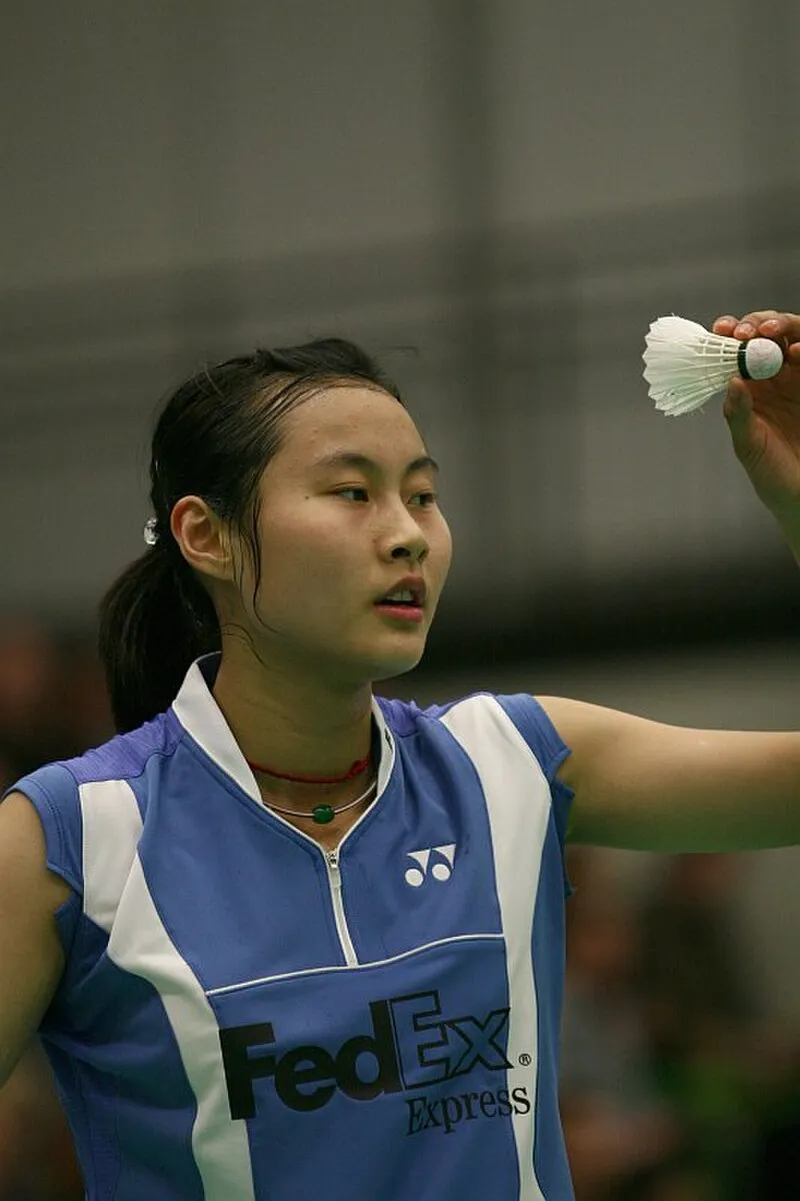
Mia Blichfeldt Net Worth 2026 - How Denmark's Top Women's Singles Star Built Wealth in Badminton's Toughest Arena
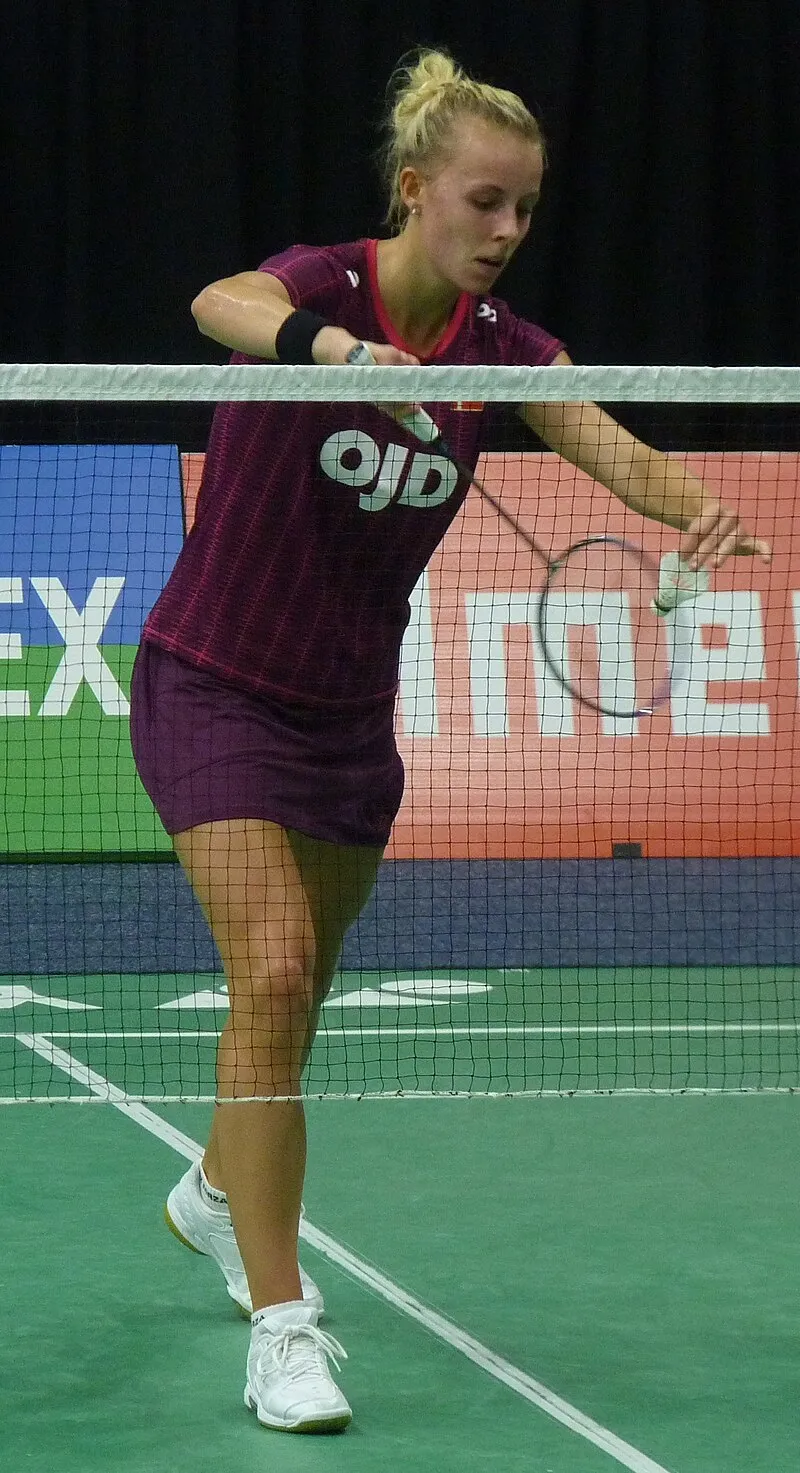
Photo of Mia Blichfeldt, via Wikimedia Commons
Mia Blichfeldt Net Worth 2026 - Denmark's Women's Singles Torchbearer Carves Out a Distinctive Financial Identity
Denmark is a badminton nation. That statement surprises many Americans, for whom the sport registers as a backyard pastime rather than a high-performance discipline. But within the global badminton community, the Danish flag carries genuine weight — particularly on the men's side, where a lineage stretching from Morten Frost through Peter Gade to Viktor Axelsen has produced some of the sport's most celebrated names. For women's singles, the standard-bearer in 2026 is Mia Blichfeldt: a player whose financial profile offers a fascinating window into what it means to be elite in a niche sport within a passionate but structurally constrained European market. Her estimated net worth stands at approximately $800,000 to $1.5 million USD.
 Photo: Mia Blichfeldt, via c8.alamy.com
 Photo: Viktor Axelsen, via cloud.jpnn.com
Building a Career at the European Frontier
Born in 1999, Blichfeldt emerged through Badminton Denmark's renowned centralized development system — the same pipeline that has produced generations of world-class Danish players. Her junior credentials were exceptional, and her transition to the senior BWF World Tour was marked by steady progress through the rankings, eventually establishing herself as a consistent presence in the top 15 to top 20 in women's singles.
Her competitive record includes notable victories over top-ten opponents and deep runs at major Super Series and Super 1000 events. While she has not yet claimed a major individual title — the women's singles landscape is ferociously competitive, dominated by players from South Korea, China, Japan, and Thailand — her consistency and technical sophistication have earned her respect across the circuit and a firm commercial footing within the European badminton market.
BWF World Tour Prize Money
Blichfeldt's prize money earnings reflect the financial structure of the BWF World Tour, where top-tier events carry prize funds that, while improved in recent years, remain modest compared to tennis or golf. Consistent quarterfinal and semifinal appearances at Super 500 and Super 750 events, combined with regular first and second-round earnings across a full annual schedule, have generated estimated career tournament earnings of $400,000 to $600,000 USD through 2025.
The BWF's ongoing efforts to grow prize money parity and overall purse sizes have incrementally benefited players at Blichfeldt's ranking level, and her annual tournament income is estimated at $80,000 to $130,000 USD in a strong season — a respectable figure for a professional athlete but one that underscores why endorsements and federation support are essential components of any top badminton player's financial equation.
Badminton Denmark: The Centralized Support Advantage
One of the most significant structural advantages available to Blichfeldt is Badminton Denmark's centralized high-performance programme, which provides elite players with world-class coaching, sports science support, physiotherapy, and partially subsidized travel and accommodation. This system — funded through a combination of Danish government sport grants and Danish Olympic Committee support — materially reduces the financial burden of competing at the highest level.
While the precise financial value of this support is not publicly disclosed, independent estimates suggest that the institutional backing provided to Denmark's top-ranked players is equivalent to $100,000 to $200,000 USD annually when the full cost of elite training infrastructure, medical support, and international travel is accounted for. For Blichfeldt, this scaffolding has allowed her to focus on performance without the financial precarity that confronts many professional athletes in niche sports.
Endorsements: The European Market Advantage and Its Limits
Blichfeldt's primary commercial relationship is with Yonex, whose European sponsorship network includes a number of Denmark's top-ranked players. Her Yonex contract, covering rackets, footwear, and apparel, is estimated at $60,000 to $120,000 USD annually — a figure that reflects her European ranking status and the brand's commitment to visibility in Scandinavia's robust recreational and competitive badminton market.
Beyond Yonex, Blichfeldt has cultivated relationships with Danish and broader European sponsors in sectors including sportswear, sports nutrition, and lifestyle brands. The European endorsement market for badminton is structurally different from Asia's — the sport does not command the mass television audiences in Denmark that it does in Indonesia or China, meaning individual sponsorship deals are smaller in absolute terms. However, the competitive density is also lower: there are fewer elite Danish women's singles players competing for the same brand partnerships, which gives Blichfeldt a degree of domestic market exclusivity.
Total annual endorsement income is estimated at $150,000 to $250,000 USD, a portfolio that, while modest by the standards of Asian women's singles stars, represents a commercially solid foundation for a European player of her standing.
Social Media and Digital Presence
Blichfeldt has cultivated an authentic and engaged social media presence, particularly on Instagram, where her training content, tournament diaries, and personal lifestyle posts have built a following of approximately 80,000 to 120,000 across platforms. Her content resonates strongly with Denmark's domestic badminton community — a highly engaged audience that includes both recreational players and serious competitive enthusiasts.
Digital income through sponsored content and brand collaborations is estimated at $20,000 to $50,000 USD annually, a figure that reflects the niche but loyal nature of her audience. As European badminton's digital media infrastructure continues to develop, this income stream has meaningful room for growth.
The Broader Context: Competing at the Frontier
For an American audience, understanding Mia Blichfeldt's financial position requires appreciating the structural dynamics of her competitive environment. She is, in essence, a top-20 global professional in a sport where the top five to seven women are almost exclusively from East and Southeast Asia — nations where badminton commands television audiences of tens of millions and where individual players can attract endorsement deals worth many times what the European market will bear.
Navigating that reality requires a different kind of financial strategy: one built on institutional support, domestic market exclusivity, and long-term brand relationship management rather than the explosive commercial leverage that comes with a World Championship or Olympic gold medal.
Looking Ahead
At 26 years old in 2026, Blichfeldt is at the competitive peak of her career, and her management team appears focused on maximizing both her on-court performance and her commercial positioning within the European badminton ecosystem. Longer-term opportunities in coaching, commentary, and Badminton Denmark's own development programmes represent credible post-playing income pathways.
With an estimated net worth of $800,000 to $1.5 million USD, Mia Blichfeldt has built a genuinely impressive financial foundation — one that reflects not just her talent as an athlete, but her skill in navigating a commercial landscape where being the best in Europe, in a sport dominated by Asia, demands both resilience and ingenuity.